Palletized freight that does not fill a trailer
Smaller commercial shipments often move more efficiently through LTL when the freight is properly packaged, clearly measured, and ready for shared linehaul movement.
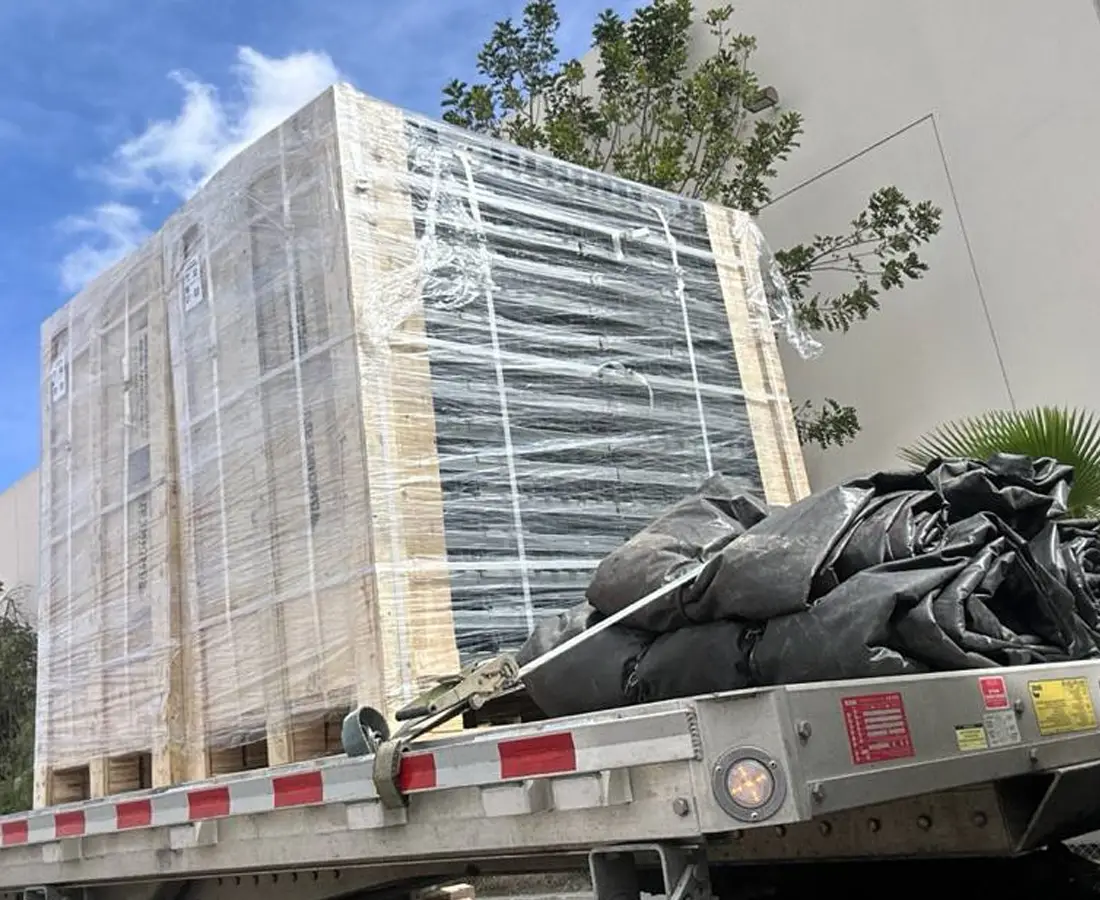

Wells Cargo LLC supports less-than-truckload freight with clear shipment coordination, practical scheduling, and operational planning shaped around pallet count, freight class, handling sensitivity, and delivery timing.
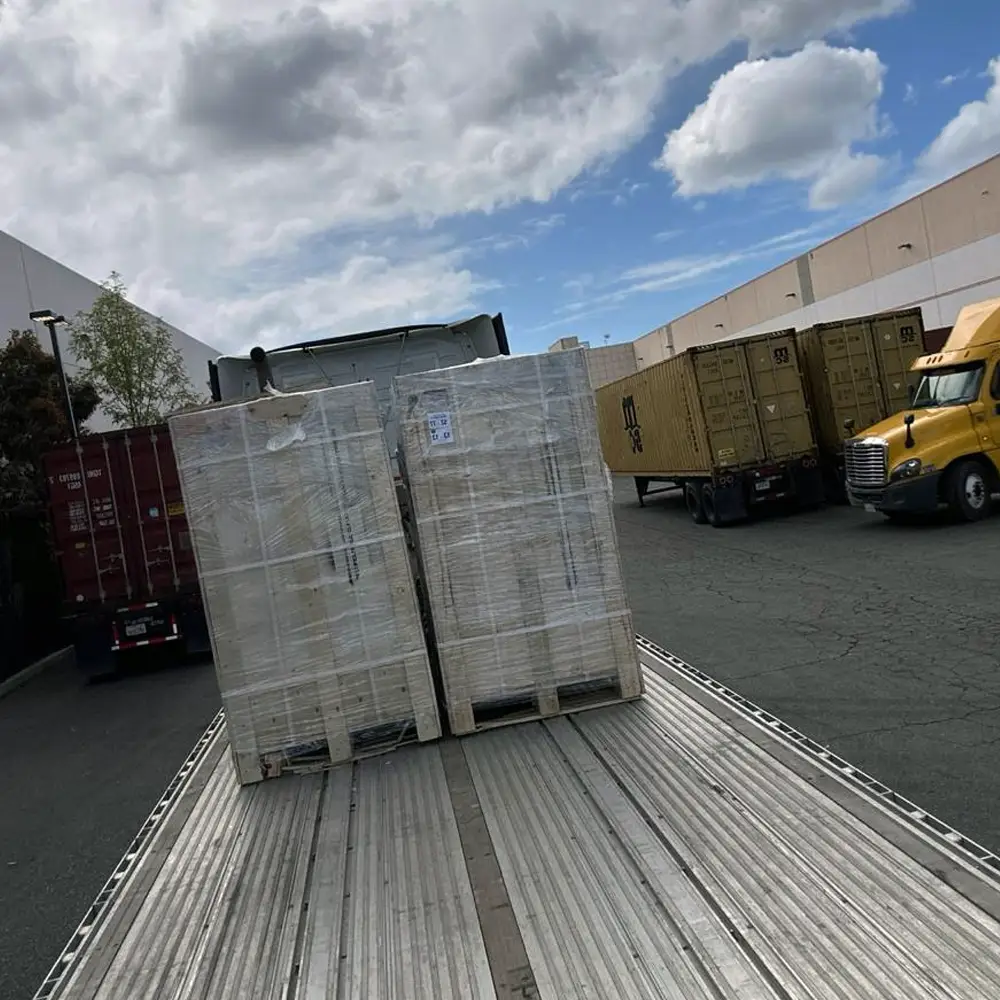
This page is shaped specifically around less-than-truckload service. The layout stays clean, but the content reflects the shipment flow, pallet logic, terminal handling, and scheduling realities that matter more in LTL freight.
LTL becomes the practical option when freight does not need a dedicated trailer and can move more efficiently as part of a shared network without sacrificing basic shipment control.
Pallet count, dimensions, stackability, packaging strength, freight class, and handling sensitivity all affect how the shipment should be quoted, scheduled, and moved.
Misstated dimensions, weak packaging, missing delivery details, or limited access locations can create avoidable delays, reclassification issues, and added cost inside an LTL transit chain.
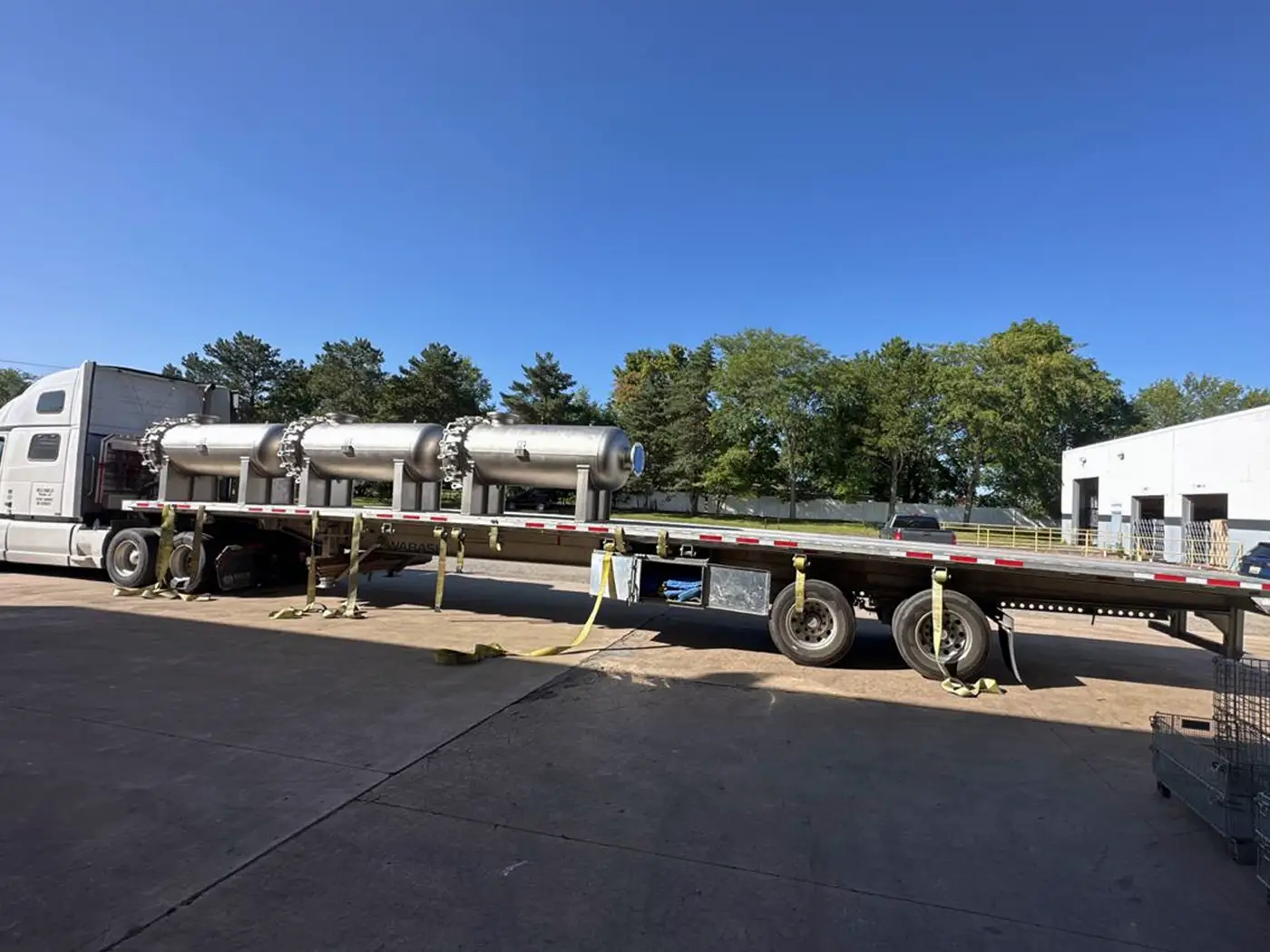
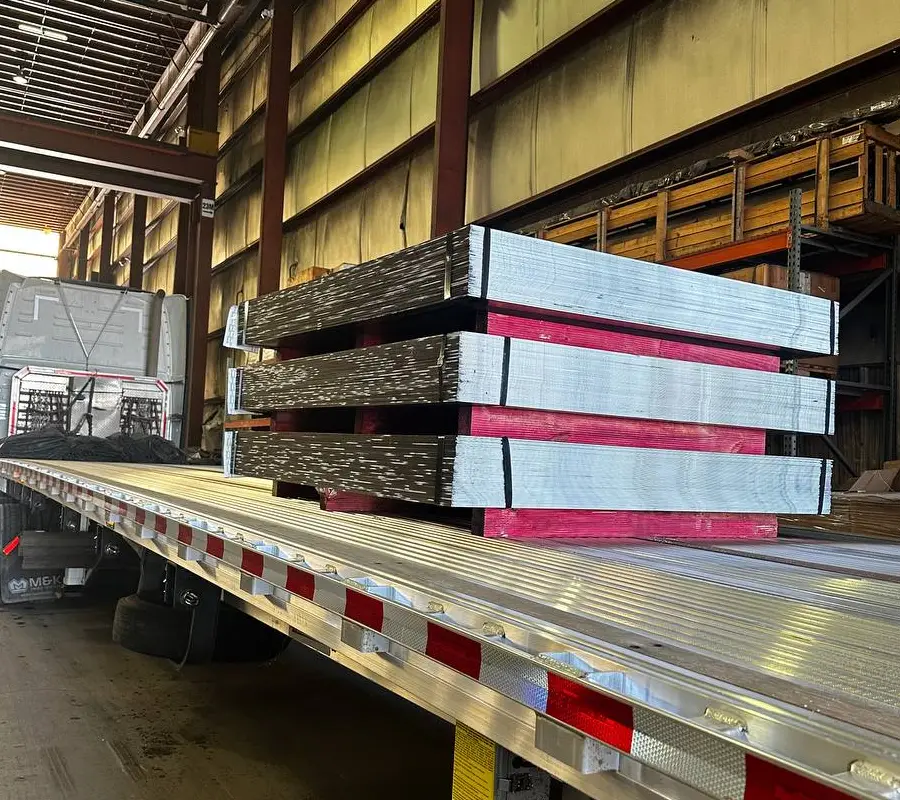
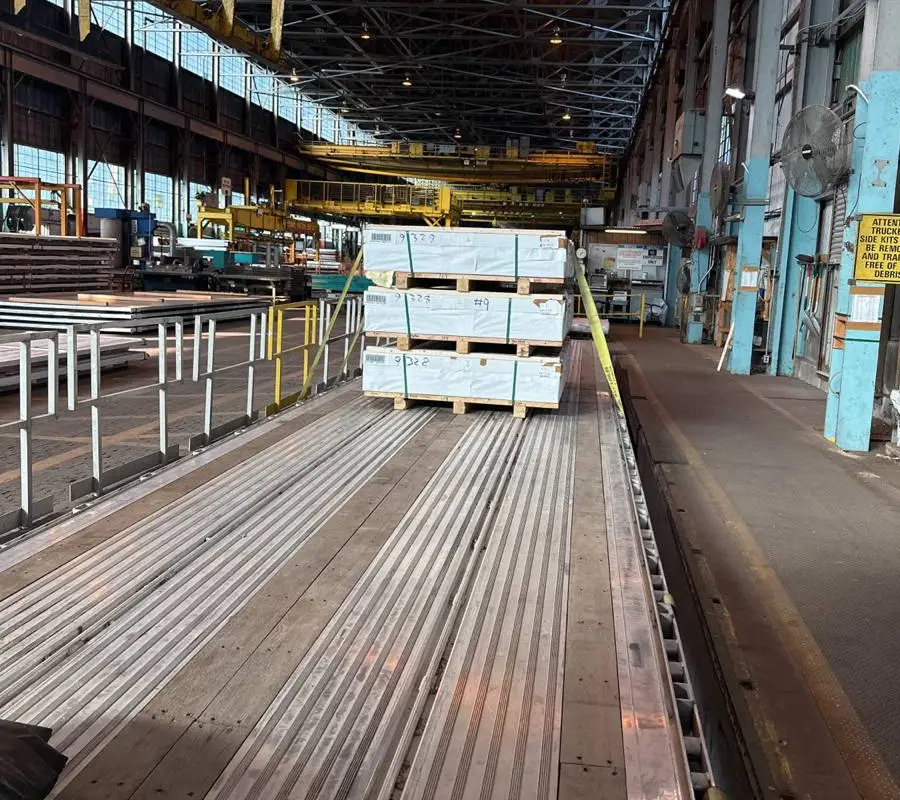
This section stays practical. These are the kinds of shipment conditions where less-than-truckload service is often the more suitable operating choice.
Smaller commercial shipments often move more efficiently through LTL when the freight is properly packaged, clearly measured, and ready for shared linehaul movement.
When transit timing is important but a full truckload is not justified, LTL helps balance shipment cost with practical delivery coordination.
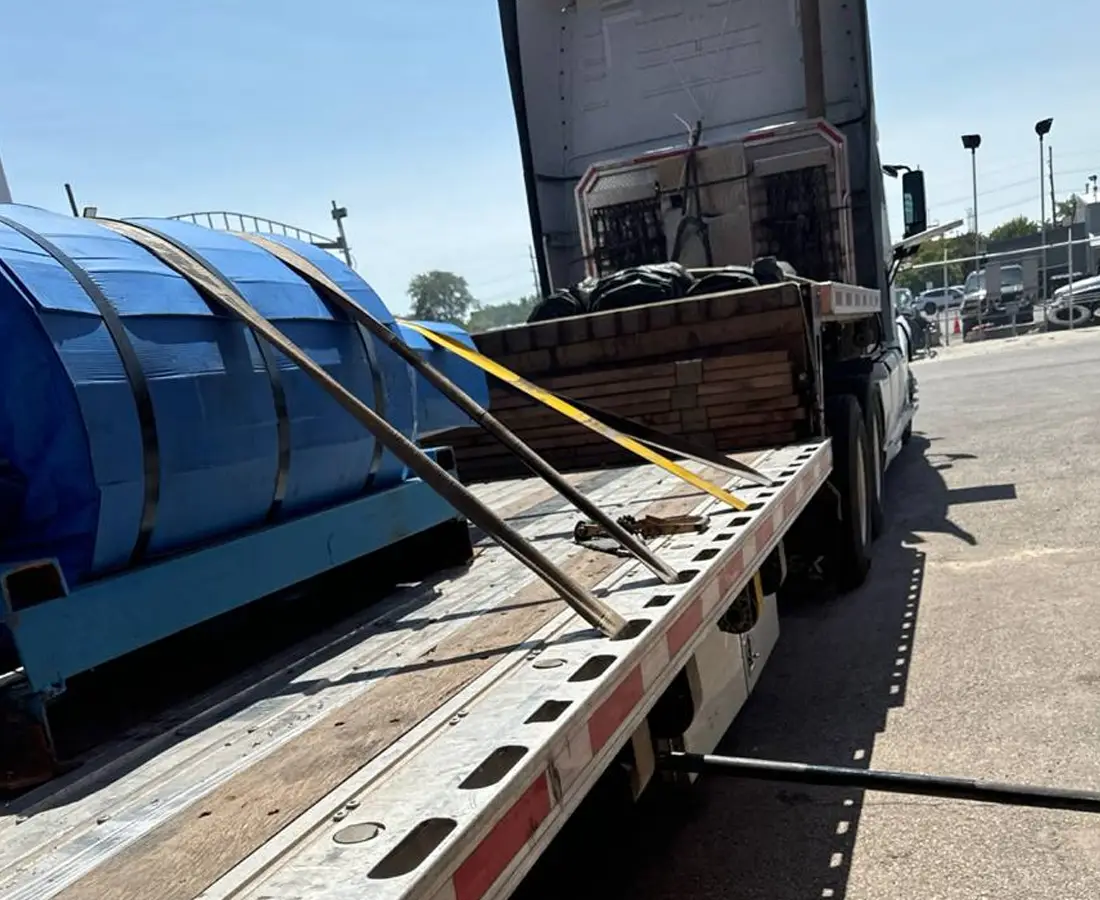
Inventory replenishment, packaged materials, replacement parts, and recurring business freight often align well with structured LTL scheduling.
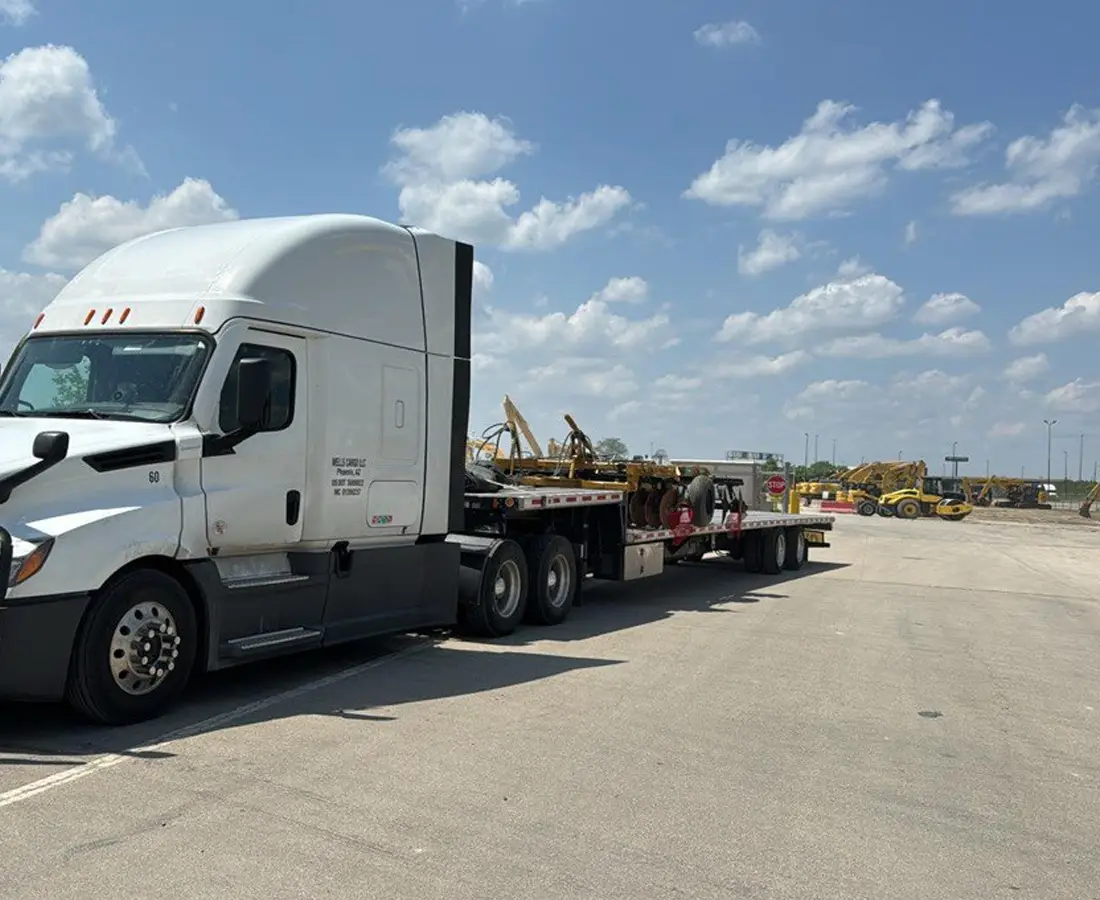
Access limitations, appointment delivery, liftgate needs, residential routing, and freight protection all need to be identified early to keep the shipment flow cleaner.
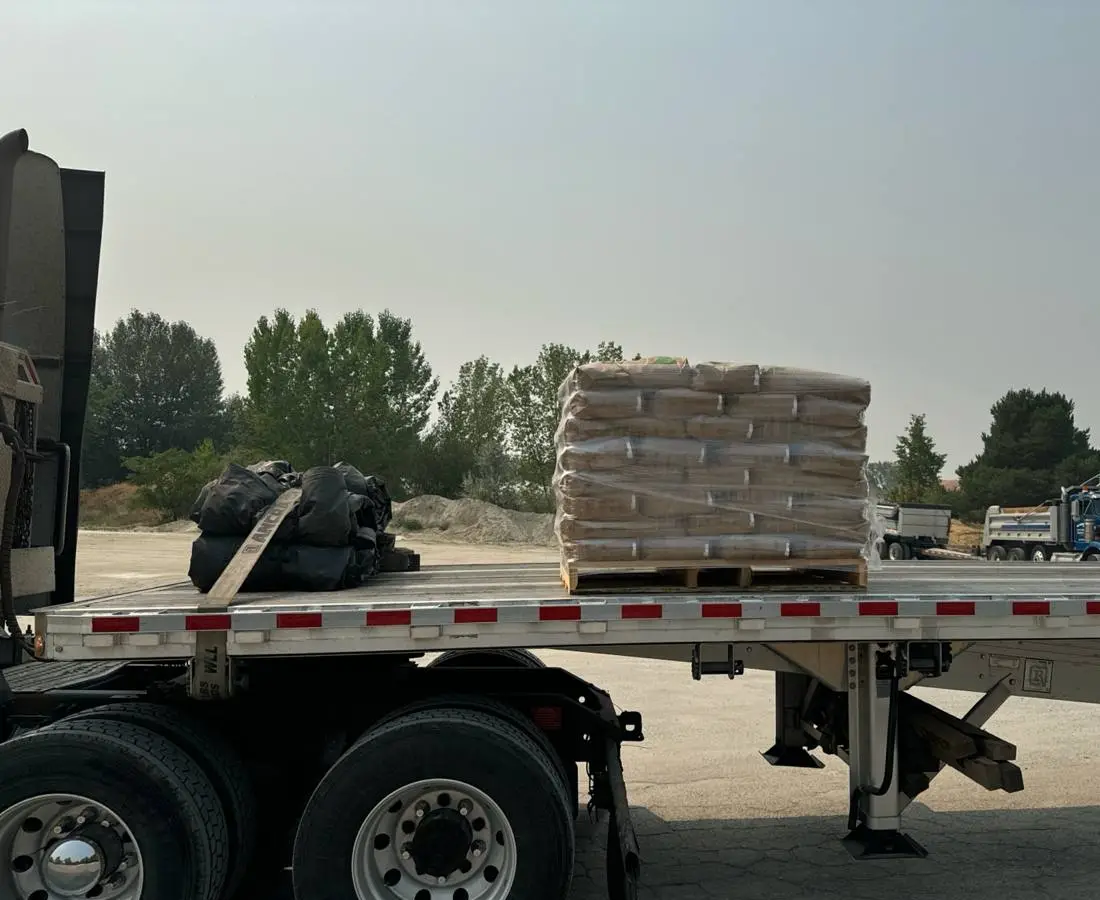
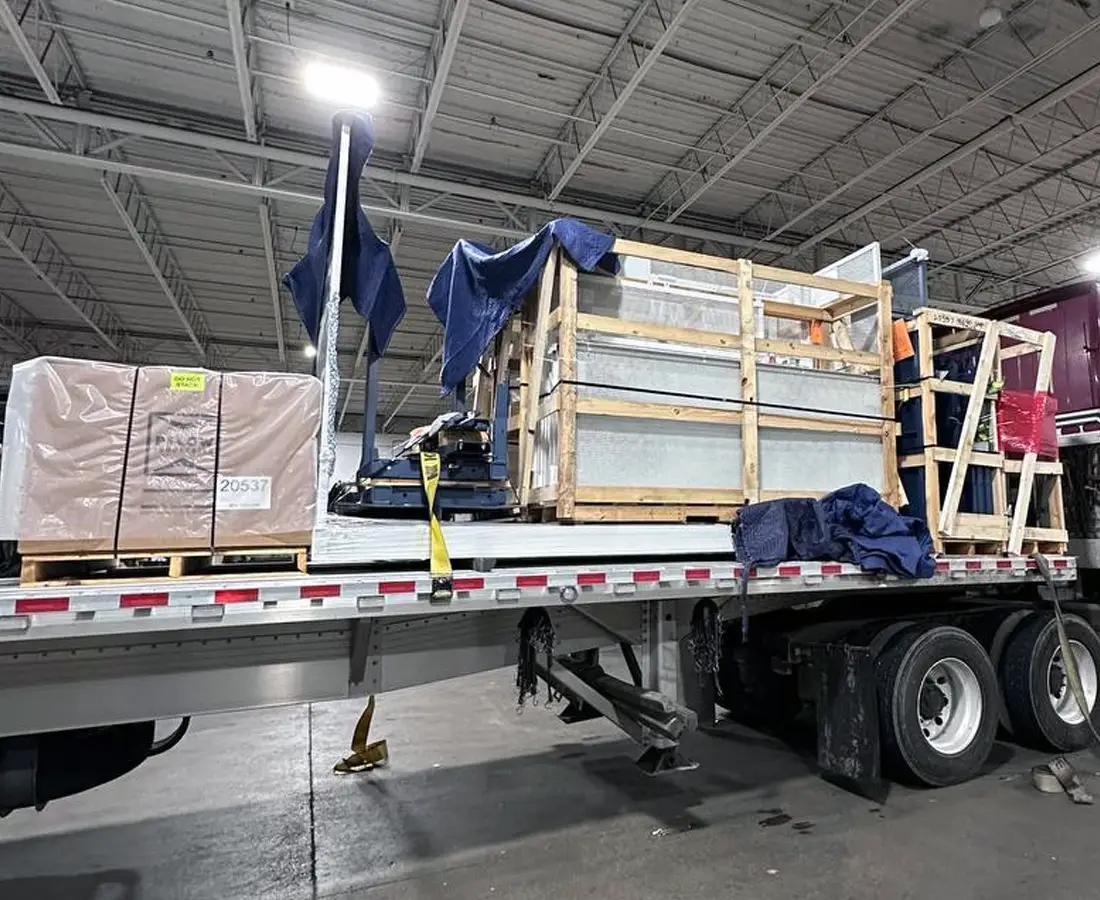
This section gives the page a more operational tone. It works well for speaking about freight class, packaging quality, dimensions, appointment requirements, accessorials, and the practical details that affect LTL execution.
A straightforward process built around shipment details, packaging readiness, routing coordination, and cleaner freight visibility from pickup through delivery.
Freight dimensions, pallet count, weight, class, packaging, and service needs are reviewed first so the move starts with cleaner and more accurate shipment information.
Once scheduled, the shipment is positioned for pickup and prepared for movement through the appropriate LTL transit chain with the correct service details attached.
Movement updates stay tied to one shipment record, helping shippers and brokers keep communication clearer while the freight moves through shared transportation stages.
The shipment closes with receiving coordination, delivery confirmation, and better control around access details, timing, and freight release at destination.
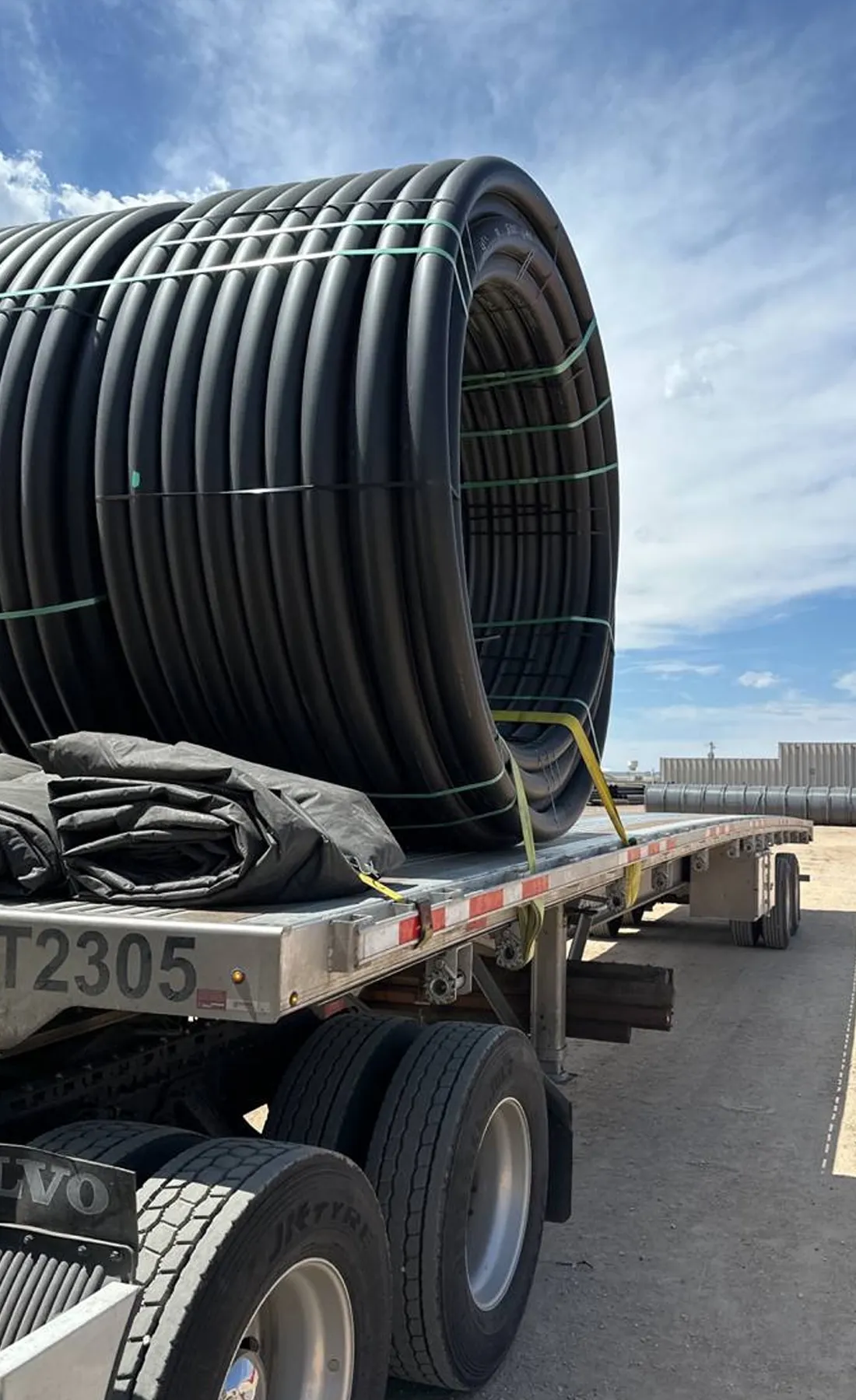
Whether the freight is palletized, crated, partially loaded, or moving with appointment requirements, Wells Cargo LLC can review the shipment and help shape a practical LTL solution.